
1. The dribble after you've zipped up
This is the classic one. You finish, you shake, you put yourself away, and thirty seconds later there's a warm patch. It isn't your bladder failing. It's urine left sitting in the tube underneath, in the stretch behind the scrotum, that drains out when you move.
Older plumbing empties less briskly, and the muscle that used to clear that last bit doesn't pump as hard as it did. So the urine waits. Then walking, or bending to wash your hands, shifts it out.
The fix is mechanical. After you finish, press up gently with your fingertips behind the scrotum, just in front of the back passage, and draw them forward along the underside. Do it twice. Then a slow pelvic floor squeeze, hold three seconds, let go. That clears what shaking never will.
2. The leak when you stand up from the armchair
You've been sat watching something for an hour. You get up, and there it is. Not a flood, but enough to notice.
Two things happen at once when you stand. Pressure from your belly pushes down, and the pelvic floor is asked to tighten at the exact moment your legs and back are doing something else. If the floor is slow to respond — and with age it often is — the pressure wins by half a second.
Brace before you move, not after. Squeeze, then stand. Shuffle forward to the edge of the seat first so you're not hauling yourself up from a deep slump. Low, soft chairs are the worst offenders. A firmer seat or a cushion under you takes a surprising amount of the load off.
3. The one on the walk back from the pub, or the car
You were fine all evening. You get to the front door, key in hand, and suddenly the need is enormous and you don't make it to the hall toilet.
This is the bladder learning a cue. The door, the key, the sound of the lock — the brain starts the emptying signal early because it has done so a thousand times. Add cold air or a drink or two, and the urge arrives as a wall rather than a warning.
Stop before you open the door. Stand still, squeeze the pelvic floor three or four times in quick succession, and let the urge peak and pass. It will pass. Then walk in at normal speed. Rushing feeds it. If this is happening most days, it's worth raising with your doctor rather than just managing round it.
4. The cough, the sneeze, the laugh
Hay fever season, a chest cold, or a good joke at the table. The sudden rise in pressure gets past a floor that would have held it twenty years ago.
Age thins and slows muscle everywhere, including down there. It isn't damage. It's the same reason your grip isn't what it was. But the pelvic floor only has to be a fraction late for a cough to beat it.
Learn to brace. Squeeze before the cough comes, not during. With sneezes you usually get a second of warning — use it. Cross your legs if you're standing. And if you have a cough that's hanging around for weeks, get it looked at, because weeks of coughing puts real strain on the floor.
Also worth reading: The Knack: How to Brace Before a Cough, a Lift, or Standing Up · Leaking Without an Operation: 7 Patterns That Come With Age, and What Helps Each
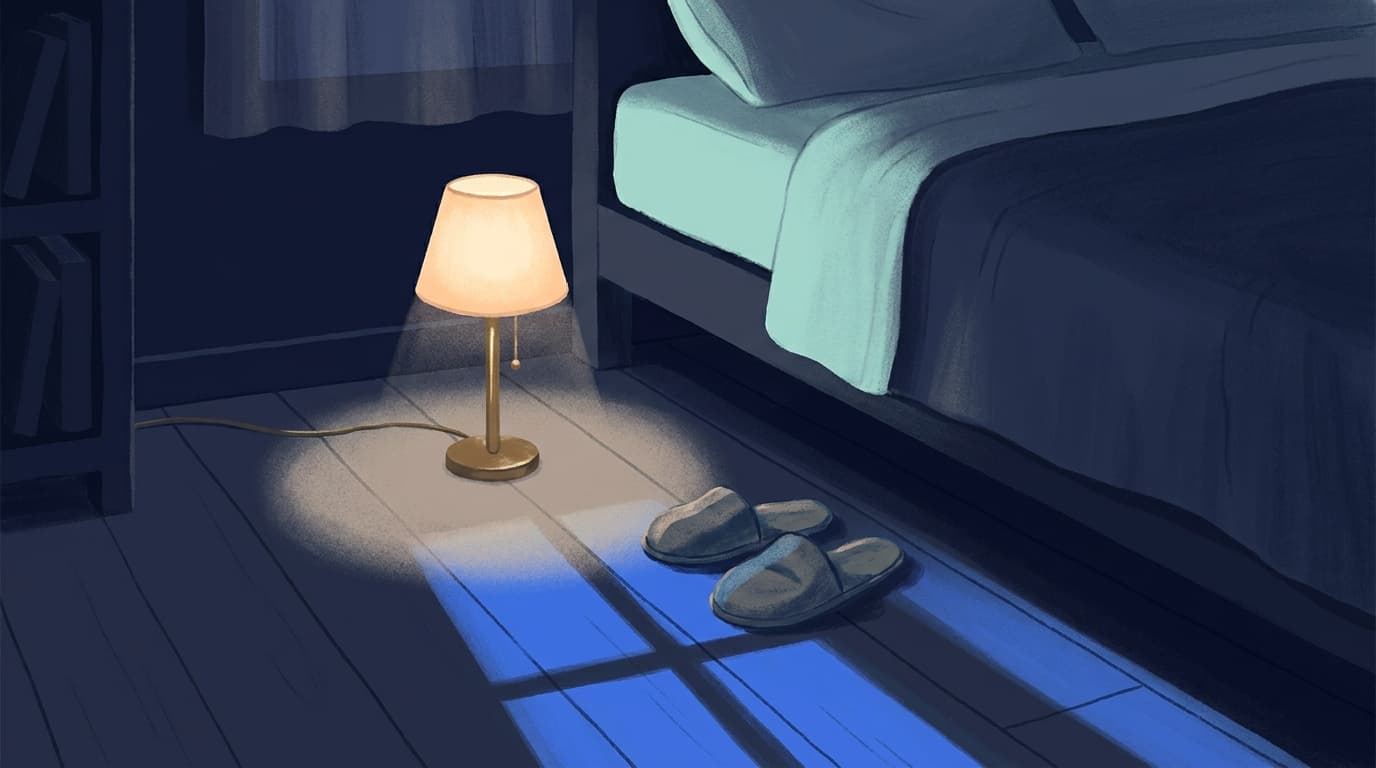
5. The first trip to the toilet in the night, and the damp on the way
You wake needing to go. You swing your legs out, stand, and start moving — and you leak somewhere between the bed and the bathroom.
At night your bladder is often fuller than you think, and you've gone from lying flat to upright in two seconds. The pelvic floor is half asleep. So is the rest of you. In the dark, hurrying over a cold floor, the odds aren't good.
Sit on the edge of the bed for a count of five before you stand. Do two slow squeezes while you sit. Leave a low light on so you're not navigating by feel. Walk, don't trot. Those few extra seconds are usually the difference.
6. The leak when you lift something heavy
A bag of compost, a grandchild, a suitcase into the boot. You brace your back out of habit, and the pressure goes downwards instead.
Most men hold their breath and push down when they lift — the same action you'd use on the toilet. That drives pressure straight onto the pelvic floor. If the floor is already slower than it was, the leak follows.
Breathe out as you lift, and squeeze the pelvic floor as you start the movement. Keep the load close to your body. Make two trips instead of one. None of this is about being careful because you're older. It's about where the pressure goes.
7. What to do with these patterns
Six moments, six different causes. Most men find one or two of them are theirs and the rest aren't. That's useful information — it tells you where to put the effort.
The common thread is timing. A pelvic floor that fires on time holds most of these. One that fires late doesn't. That's trainable at any age, and it responds better to short, regular, properly-done squeezes than to long sessions once a week.
Pick the moment that catches you most often this week. Brace for it, every single time it comes round. When it starts behaving, move to the next one. Progress in this tends to come one situation at a time, not all at once.